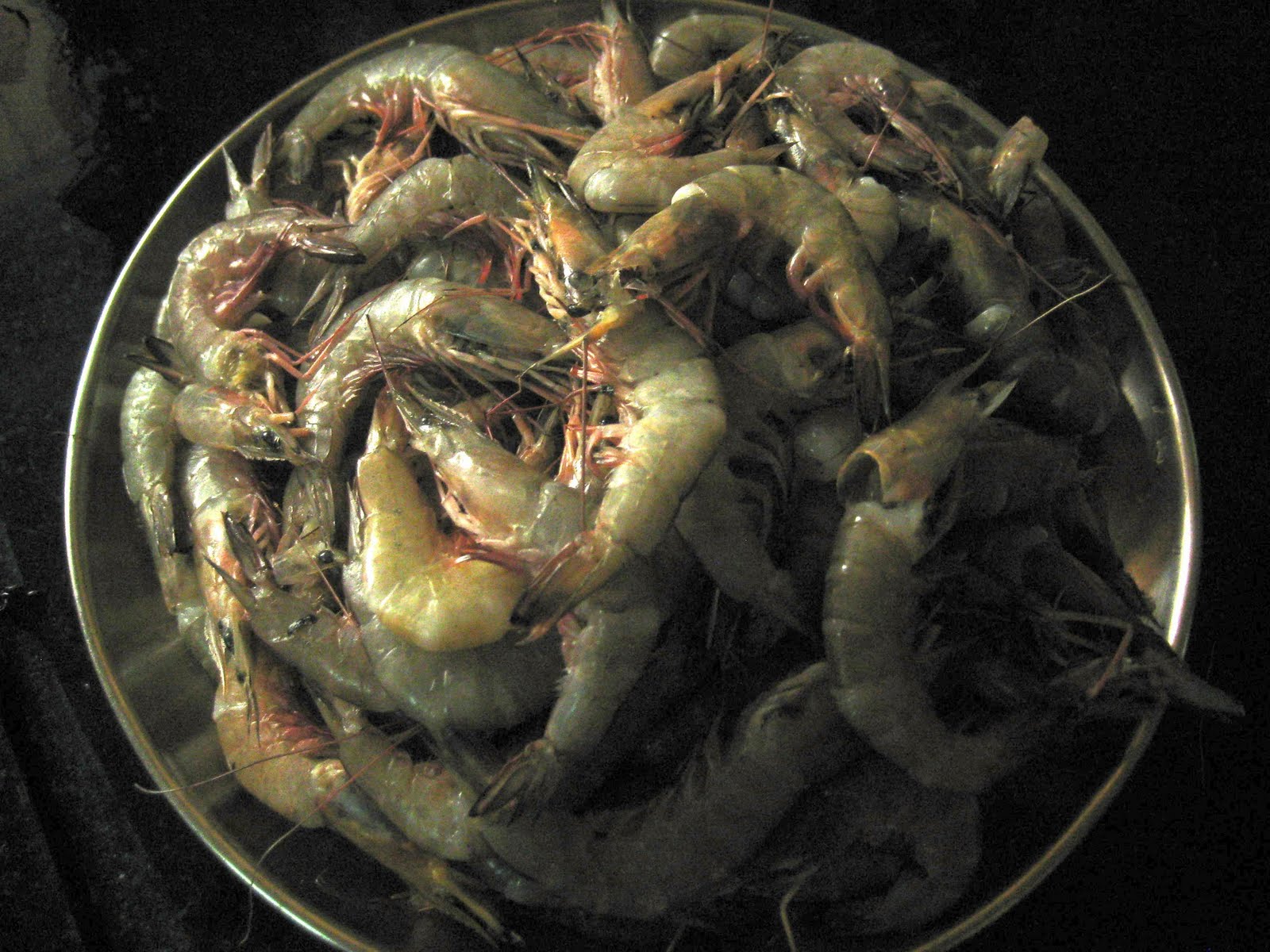
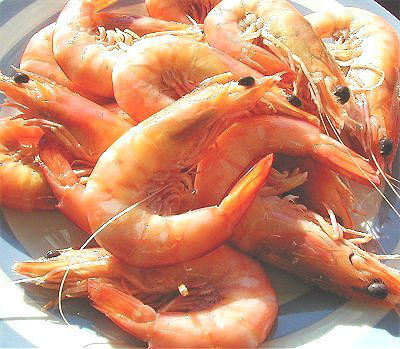
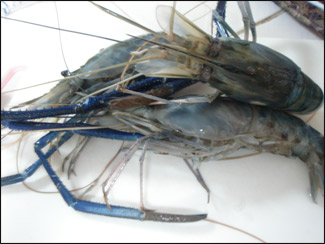
Freshwater Jhinga Fish farming

  • Bussiness              

                            We are farming Jhinga Fish in Freshwater.We have just satrted this bussiness in 2014.

  • Biology

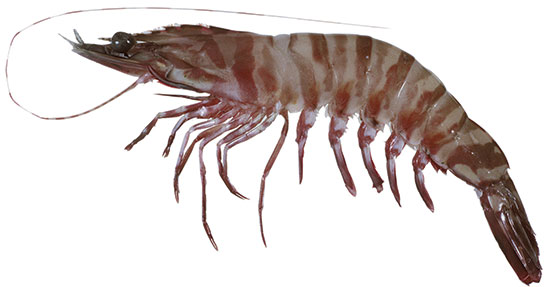
                            Giant river Jhinga Fish live in turbid freshwater, but their larval stages require brackish water to survive. Males can reach a body size of 32 cm; females grow to   25 cm.

                                  In mating, the male deposits spermatophores on the underside of the female's thorax, between the walking legs. The female then extrudes eggs, which pass through the spermatophores.

                                   The female carries the fertilized eggs with her until they hatch; the time may vary, but is generally less than three weeks. A large female may lay up to 100,000 eggs.
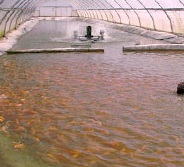
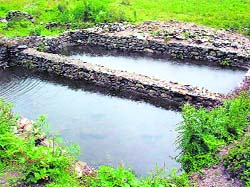


  • Technologies

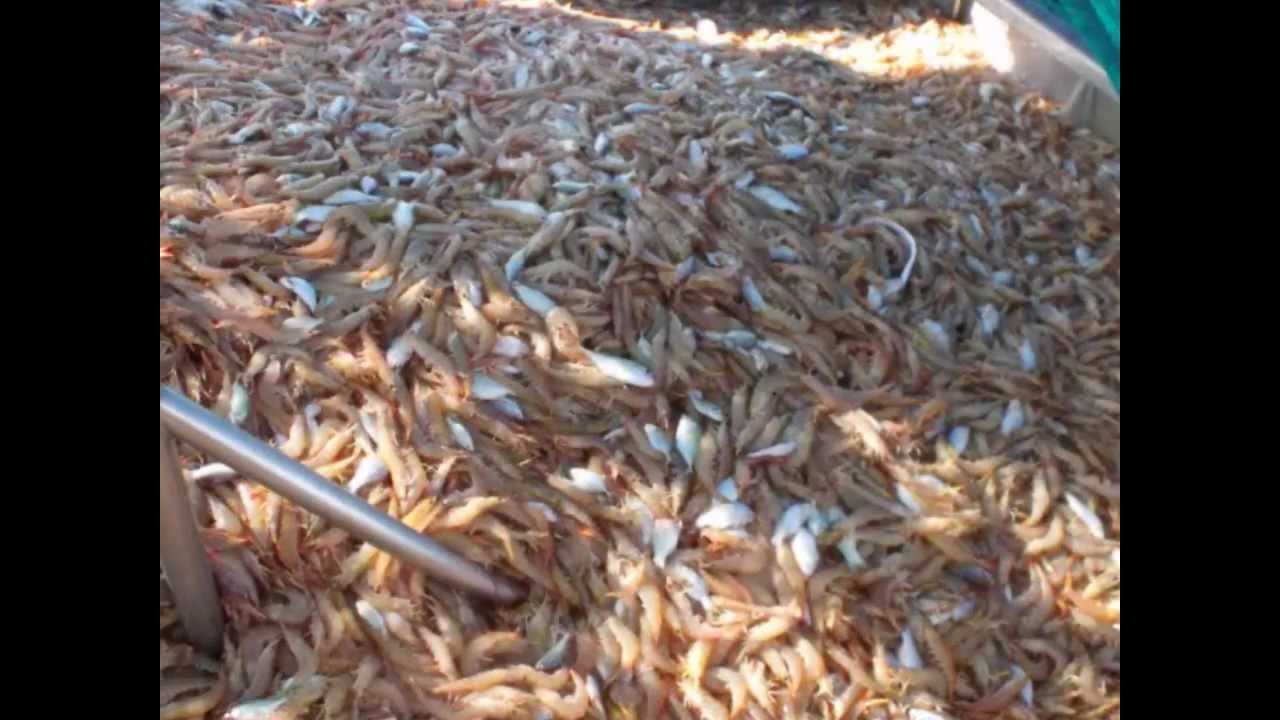
                             The technologies used in freshwater Jhinga Fish farming are basically the same as in marine Jhinga Fish  farming.    Hatcheries    produce postlarvae, which then are grown and acclimated in nurseries     before  being transferred into growout ponds, where the Jhinga Fish are then fed and grown until they reach marketable size. Harvesting is done by either draining the pond and collecting the animals ("batch" harvesting) or by fishing the Jhinga Fish out of the pond using nets .

Photo Gallary

Make a Free Website with Yola.